
What is Cash Control?

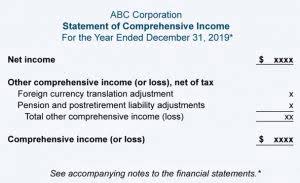
What’s more, it took companies an average of 15 months to uncover that fraud — every second of which can cause further damage to a company’s bottom line and reputation. Concentrating the data Statement of Comprehensive Income makes it easier to identify where the money is being spent and helps to identify unnecessary expenses that can consequently be cut at another time. Business fraud is no joke and took center stage in the late 90s when major corporations were found to be operating fraudulently, causing billions in losses. In 2002, the Sarbanes-Oxley Act (SOX) was passed requiring publicly traded companies to undergo an annual audit to remain in compliance with financial records. Employees who have ever worked from a cash drawer at a retail location will be familiar with the process of counting in and out a drawer at the beginning and end of shift. Automation standardizes processes, enforces approval workflows, flags anomalies, and provides real-time visibility into cash movement – making it easier to prevent leaks and stay compliant.
B. Segregation of Duties
- Since cash is the most liquid of all assets, a business cannot survive and prosper if it does not have adequate control over its cash.
- This involves establishing approval hierarchies, supporting document requirements, and verification processes such that every transaction is a valid business transaction before cash changes hands.
- The cash management process mainly includes overall cash management strategies, cash flow management, stability analyses, etc.
- Having both working cooperatively maintains a running document of all cash activity, providing an audit trail.
It refers to the processes and procedures implemented by organizations to monitor, manage, and safeguard their cash resources effectively. Cash control encompasses various activities, including cash handling, cash flow monitoring, cash disbursements, and cash reconciliation. Enhancing financial accuracy relies heavily on consistent cash control practices. Regular audits allow organizations to identify irregularities in their financial statements promptly. You might also consider utilizing accounting software that tracks cash flow in real-time. Training employees on proper cash handling techniques further reinforces accuracy in transactions.
The relationship between cash control and cash flow
Lastly, a lack of management support often leads to ineffective procedures. When leadership doesn’t prioritize cash control, employees may perceive bookkeeping these efforts as unimportant. Consequently, this attitude undermines compliance and effective execution across the organization.
- Regular counts of physical cash help detect discrepancies before they escalate.
- Classifying your profits helps you understand which areas are most profitable, and also allows you to conduct a more advanced analysis of your business’s financial performance .
- This cash management type explains and analyses the cash flow statement of the company.
- Both program managers and financial managers are accountable for cash under their control.
- As assets are ordered by liquidity, petty cash, being easily accessible, is positioned near the top of the petty cash sheet.
- Because you get more than software — Spendflo pairs AI with expert negotiators to cut costs, speed up cycles, and prove ROI.
Why are cash controls so important?
- By understanding and controlling your cash flow, you’ll be better equipped to sustain operations, avoid financial stress, and plan for growth.
- With some cash handling service providers, online web portals can help you keep track of your cash flow.
- These machines can accept and dispense different denominations of cash, reducing the need for manual cash counting and sorting.
- Adopting best practices in managing and auditing the bank and cash system supports sound financial governance, enhances operational efficiency, and reduces the risk of financial misstatements.
- It also includes workflow management tools for simplified monitoring, automatic reminders, and audit trails, giving your business Insightful data and dashboards highlighting gaps and high-risk areas.
- Cash control is a critical aspect of any business, regardless of its size or industry.
D) Reconcile restricted cash accounts regularly to ensure that the balances are accurate. Securing petty cash presents an ongoing challenge, demanding protective measures to prevent theft or mishandling and ensure the cash’s safety. Initiating the imprest system begins with appointing a petty cash custodian.
- Ensure that your metrics are consistent across phases and are accessible at any given time.
- At this stage cash receipts, control and cash disbursement control are discussed.
- Another way to safeguard company disbursements is by requiring multiple approvals from the CEO and board of directors for significant transactions.
- It helps in verifying the validity and accuracy of the cash payments by requiring supporting documents, such as invoices, receipts, vouchers, etc.
- Cash receipts should not be used for petty cash disbursements, check cashing, or other purposes.

Credit control is an essential aspect of trade credit management that enables businesses to maintain a healthy cash flow and minimize the risk of bad debts. In today’s uncertain economic environment, where businesses are struggling to stay afloat, credit control has become more important than ever. The role of credit control is not just limited to assessing the creditworthiness of customers and setting credit cash control limits. It involves a range of activities, including monitoring credit accounts, chasing payments, and taking legal action when necessary. Effective credit control can make a significant difference to a business’s financial health, while poor credit control can lead to cash flow problems, bad debts, and ultimately, business failure. While a disbursement journal serves as a useful tool for cash control, it has its own set of challenges and limitations.
These tools bring automation and precision to managing small cash amounts in accountants’ daily routines. Safeguarding petty cash, segregating duties, and monthly reconciliation are crucial controls for effective management. Accurate recording of petty cash transactions is crucial for reliable financial records. These include cash collections from customers, processing payroll via ACHdeposit, and paying for raw materials. Cash management is a critical corporate finance process aimed at helping businesses fund operations and invest cash reserves to boost the bottom line. When it comes to cash flow forecasting, businesses have various models to choose from, depending on their specific needs and preferences.
